By late October, Texans are finally coming back to life—and so are their landscapes. The air turns crisp, the mosquitoes begin their slow retreat, and gardeners emerge from summer’s long, hot purgatory ready to dig again.
The pumpkins are carved, the candy bowl is full, and while the kids plot costumes, smart gardeners are plotting holes. Halloween, it turns out, is the single best time of year to plant in North Texas.
Not spring. Not that one glorious week in April when the garden centers overflow and you can’t find a parking spot between SUVs and golf carts. The real magic happens now, when the leaves begin to fall and the soil is still warm.
Fall planting gives roots a head start—months of quiet growth underground before next summer’s heat. While plants rest above ground, they’re working below, sending roots deep into Texas clay and preparing for whatever weather waits ahead.
So if you’re itching to dig, grab your shovel and plant these seven all-treat, no-trick favorites while the soil is still warm and the moon hangs high.
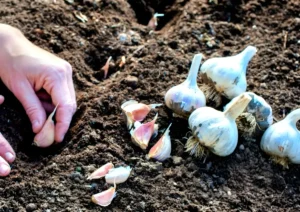
If any crop deserves a Halloween debut, it’s garlic. It’s legendary for repelling vampires, but even better at saving you from supermarket sticker shock next summer.
Garlic is seriously one of the easiest plants to grow for beginning gardeners! It thrives when planted from late October through early November, once soil temperatures dip below 60°F. Those cool nights trigger root growth and winter division, leading to plump bulbs by early summer.
Break apart a bulb into individual cloves—pointy side up—space them about six inches apart, cover lightly with soil, and water. Then leave them be. Garlic is a crop that needs little input—just a little patience.
By Christmas, roots will have formed, quietly setting the stage for next year’s harvest. Choose varieties like ‘Inchelium Red’ or ‘California Early,’ both proven in North Texas soils. Grocery-store bulbs, treated to prevent sprouting, are best left for cooking, not planting.
By early summer, when you pull up your own sun-cured bulbs, you’ll understand why fall garlic is gardener gold.
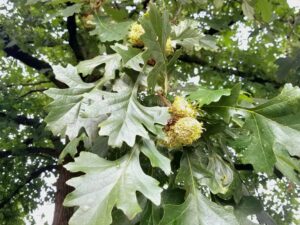
When it comes to long-term impact, trees are the giants of any landscape. They shade homes, cool air, shelter wildlife, and raise property value—all while asking for little in return.
Most trees fail not because they’re planted incorrectly– but because they’re planted in when heat stress is high. Fall planting gives roots months to expand before summer arrives- which is why Texas Arbor Day is actually the first Friday of November. Warm soil and cool air form the perfect growth partnership.
Cedar elm, bur oak, Mexican plum, Texas redbud, desert willow, and Monterrey oak all thrive in our clay soils and roller-coaster temperatures.
Dig wide rather than deep so the root flare sits level with the soil. Mulch generously—but not like you’re burying treasure. Water in very well at planting, then deeply once a month– but only during winter’s dry spells.
By next Halloween, you’ll have a rooted resident ready to cast shade and character across your landscape.
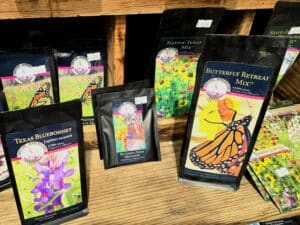
Planting wildflowers now mimics nature’s own rhythm. In prairies and meadows, seeds fall in late autumn, rest through winter, and awaken with the spring rains.
Scatter native wildflower seed in October or early November for best results. First, expose bare ground by scalping, digging, tilling or solarization– then sow evenly using sand or compost as a filler, and press the seed firmly into place for good contact.
Look for regional mixes containing bluebonnets, Indian paintbrush, coreopsis, coneflower, basketflower, and Liatris. Add milkweed for migrating spring monarchs.
At first, it looks like nothing’s happening. But by spring, your patience will bloom into a living quilt of color and pollinator activity.
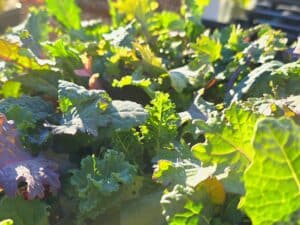
Fall in North Texas is a second spring—milder, quieter, and arguably better for growing food. It’s the gardener’s redemption arc.
Cool-season vegetables like kale, spinach, lettuce, chard, arugula, broccoli, and cauliflower love short days and crisp air. They germinate quickly in warm soil and taste sweeter after a light frost—and in most years will produce all the way through winter when mulched heavy. (cover when temps dip below 20 F)
Sow seeds directly if temps are still warm or set transplants for faster results. Keep soil moist but not soggy, and mulch to protect young roots.
Try pairing deep red lettuces with emerald kale or rainbow chard for a harvest that looks as good as it tastes. Even kids might appreciate their veggies a little more if you tell them they were planted under a Halloween moon.
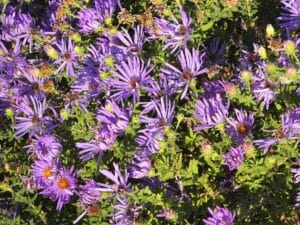
While summer annuals fade, Texas-tough cold-hardy perennials are prime to get started. Cooler weather reduces stress, and warm soil encourages root development—giving plants the head start they need to thrive BEFORE next summer’s brutal heat.
Most folks incorrectly fear winter’s wrath (especially new gardeners or those new to gardening in North Texas). But here in zone 8b (15-20F) we’ll only dip into severe devastatingly cold winters 10-15% of the time. While Texas’ plant-killing summers will be here year after year after year. i.e. When planting– Fear the heat, not the cold.
Plant coneflowers, salvias, coreopsis, fall asters, and yarrow now. Gregg’s Mistflower and White Mistflower will be especially valuable as critical nectar sources for migrating monarchs and other pollinators next Halloween.
Incorporate composted yard clippings or food scraps (or ghouls), mulch 2-4”, and water deeply every week or so until established—but only if we don’t get rain. If blooms are sparse this fall, don’t worry. The real show comes next year, when they reward you with fuller growth and longer bloom seasons.
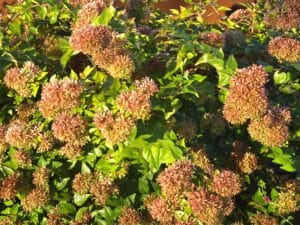
A strong landscape needs structure, and evergreen shrubs deliver it. They anchor beds, frame entries, and stay green when everything else goes dormant—looking fantastic December through February.
Fall planting helps them root before summer heat. Native and adapted options like Texas sage, dwarf yaupon holly, abelia, osmanthus, and wax myrtle are reliable, drought-tolerant, and low-maintenance.
Mix textures and colors—silver Texas sage beside glossy abelia, or fine-leaf yaupon against broad-leaf osmanthus—for visual interest year-round.
Beyond their good looks, these shrubs shelter birds, perfume the air, and hold the garden together when little else is in bloom.
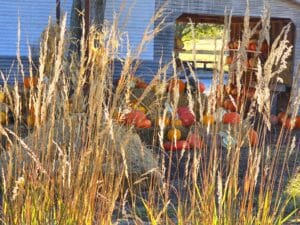
They don’t draw much attention, but ornamental grasses and native groundcovers quietly do the heavy lifting in sustainable landscapes. They control erosion, feed wildlife, and add movement and texture—even through the winter months.
Plant ‘White Cloud’ muhly, ‘Blackhawks’ Big Bluestem, Indiangrass (Yellow Prairiegrass), or Seep Muhly now while the soil is warm. Their roots will establish through winter, ensuring healthy growth and feathery plumes next fall.
For groundcovers, choose Frogfruit, Horse Herb, Pigeonberry or Snake Herb. These natives knit together quickly, crowd out weeds, and stay attractive through most of the year.
Their subtle beauty and resilience make them indispensable—the quiet supporting cast that gives the whole garden its rhythm.
Seven categories. One perfect planting season.
Halloween marks more than a night of costumes and candy—it’s the start of the gardener’s new year setting up the sweet blooms of spring. As the days shorten, the soil stays warm, inviting roots to dig deep before dormancy.
Whether you’re tucking in garlic, planting a young oak, or scattering wildflower seed by moonlight, you’re not just gardening. You’re investing in next year’s success and conjuring a bit of living magic that lasts long after the jack-o-lanterns fade!
12804 Pelzel Rd, Pilot Point, TX 76258
Open Tuesday–Saturday, 9–5 | Sunday, 10–5
#RootedInPlants #TexasToughPlants #NorthTexasGardening #FallPlantingSeason #RootedInEducation #PlantTexasNative


Pick-up Locations (selected when checking out):
Arlington – 1100 SW Green Oaks Blvd., Arlington, TX 76017
Bedford – 2424 Forest Ridge Dr., Bedford, TX 76021
College Station – 13600 Rock Prairie Road, College Station, TX 77845
Fort Worth – 800 E Northside Drive, Fort Worth, TX 76102
Mansfield – 620 S Wisteria St, Mansfield, TX 76063
Pilot Point – 12804 Pelzel Rd, Pilot Point, TX 76258
Southlake – 1950 E. Continental Blvd., Southlake TX 76092

Fall Garden Pickup Date:
Saturday, September 26
9 AM – 11 AM
Instructions:
Stay in your vehicle—we’ll load your garden box for you.
Plants MUST be picked up at the pre-chosen date, time and location.
No rainchecks. No refunds. Unclaimed plants will be donated to a local community garden.
ADDRESS:
12804 Pelzel Rd Pilot Point TX 76258
*Located off FM 455, about halfway between Celina and Pilot Point
CALL: 972.954.8580
TEXT: 972.954.8574
HOURS:
Tuesday – Saturday 9 AM – 5 PM
Sunday 10 AM – 5 PM