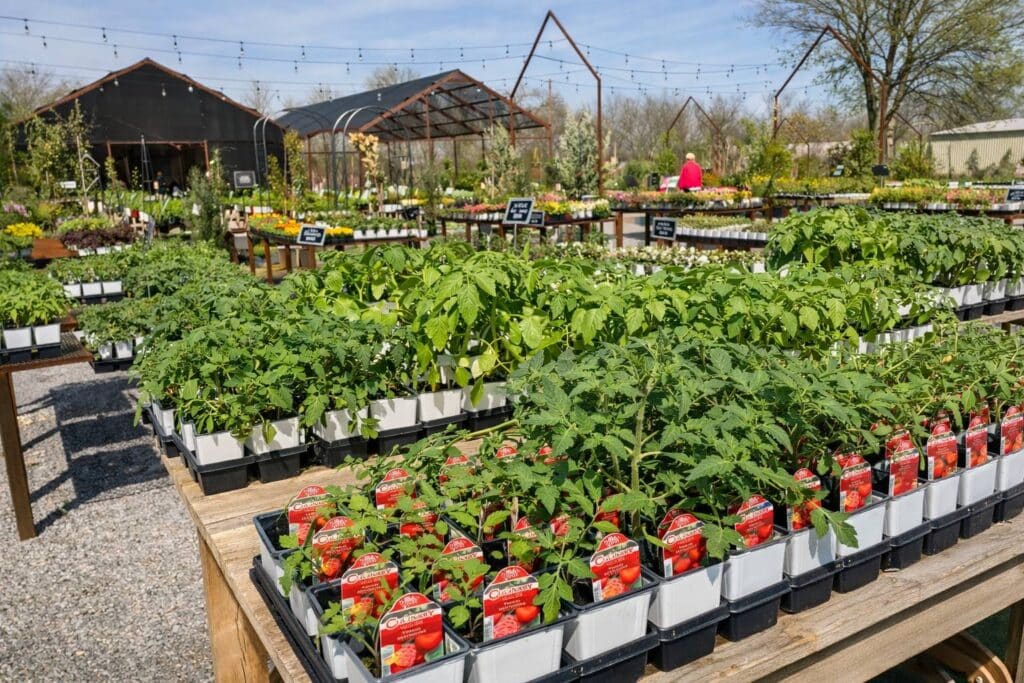
The Last Freeze (Mostly Behind You)
If you’re going to anchor your planting decisions to anything, it ought to be probability, not tradition.
Across much of North Texas, the average last freeze falls around the second week of March. By the time you get to late March, you’re no longer guessing—you’re playing the odds, and historically there’s an 80% or greater chance that the last freeze is already behind you, depending on where you are.
Could we still get one more cold snap? Sure. North Texas has a habit of reminding you not to get too comfortable.
But at this point in the season, those cold events tend to be brief, a little dramatic, and—more importantly—manageable.
Yes, we’ve had freezes as late as mid-April—but those are rare outliers, not the norm.
The Real Problem Shows Up in June
What’s coming next is a different story.
Because if there’s one thing you can count on around here, it’s summer. It doesn’t ease in so much as it shows up, gets comfortable, and refuses to leave.
And tomatoes, despite being labeled a “summer crop,” have a pretty complicated relationship with that kind of heat.
They like warmth. They need warmth. But once daytime temperatures consistently push past about 90 degrees, and especially when nights hang around 75 and don’t cool off, things start to change inside the plant. Pollen becomes less viable, flowers drop, and fruit set slows down.
The plant keeps growing. It probably looks fine. It might even look great.
It just stops producing like you expect it to.
By mid-June, when we’re regularly sitting in the mid-90s with warm nights, a lot of tomato plants in North Texas have already started easing out of production, whether you realize it or not.
And once that shift happens, there’s no bringing it back.
It’s a Window, Not a Date
That’s why timing matters more than people think.
Growing tomatoes here isn’t about picking the safest possible date—it’s about working within a window, and that window opens earlier than a lot of folks are comfortable with.
You’re trying to get the plant established, flowering, and setting fruit while conditions are still in your favor, before summer starts stacking the deck against you.
Planting in late March gives you that runway.
Waiting until after Easter shortens it.
One Night vs. the Whole Season
And then there’s the question that always comes up.
What if we get one more freeze?
It’s a fair concern, but in my opinion, it’s also one that tends to get more attention than it deserves this time of year.
Tomatoes are easy to protect when they’re small. A bucket, a sheet, frost cloth—put something over them before sunset and you’ve usually bought yourself enough protection to get through a brief cold dip.
The reality is, you might have to step outside once or twice and cover your plants.
That’s the trade.
Because the alternative isn’t avoiding risk—it’s just trading it for a different one, and one that lasts a whole lot longer.
The Tradeoff
When you really look at it, the decision is pretty straightforward.
You’re choosing between a small, manageable cold risk now and a guaranteed heat problem later.
One lasts a night.
The other lasts the season.
Paw Paw Wasn’t Wrong… Just Early to Be Late
And that’s where Paw Paw’s advice, as well-intentioned as it is, starts to fall apart.
It probably worked, or at least worked well enough, and in a slightly cooler stretch of years it may not have carried the same downside it does now. But gardening advice tends to get passed down based on what worked there and then—not necessarily what worked best—and in 2026 North Texas those aren’t always the same thing.
Tomatoes planted after Easter will still grow. You’ll still get something.
But if your goal is to get the most out of your plants—to actually harvest instead of just hope—then waiting that long in North Texas is, more often than not, putting yourself behind before the season even gets going.
Final Thought
Because at the end of the day, tomatoes in North Texas aren’t limited by how early you plant them so much as they are by how early summer decides to show up.
And summer doesn’t wait.
You can cover a tomato plant for a night or two.
You can’t cover North Texas in July.
So don’t garden by holiday.
Garden by climate.
And by late March, around here, that usually means it’s time to go ahead and get those tomatoes in the ground.